


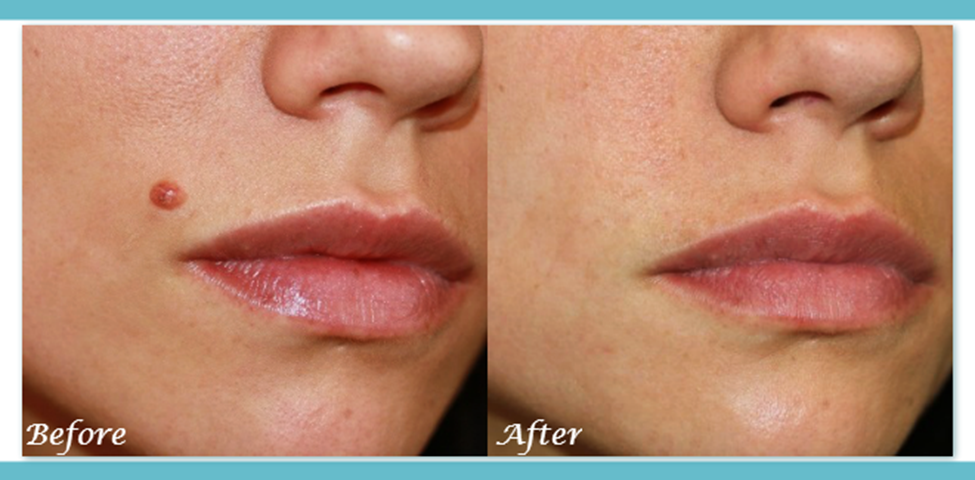
Moles are considered unwanted in some individuals, and they opt to get them removed for cosmetic reasons or peace of mind. The good news is that it has never been easier to remove your moles safely and effectively. Some benefits you enjoy by using laser mole removal London treatment include the use of advanced technology and impressive cosmetic outcomes. London clinics have experienced dermatologists and cutting-edge equipment, which ensures solutions for clearer and healthy skin.
Understanding Laser Mole Removal
Laser mole removal is a painless process whereby intense light energy is employed to remove the mole. On some occasions, this procedure is used for benign moles that can be seen on certain parts of the body including the face, neck, and arms. Unlike surgical excision, mole removal through the laser method is fast and does not leave scars.
Prior to removal, the doctor will examine the mole to establish whether it is fit for this type of removal process. If additional testing of the tissue is necessary, surgery to remove the tissue may be suggested.
Benefits of Laser Treatment
Precision is one of the major benefits of laser mole removal London procedures. The laser is directed towards the mole, not the surrounding skin, which helps to maintain the natural look of the area being treated.
Additional benefits include:
- Treatment results in minimal discomfort.
- Minimized chances of scarring.
- Quick treatment sessions
- Faster recovery time
- Improved cosmetic results
The benefits of laser technology makes it a popular option for those who wish to have a mole removed.
Importance of Professional Assessment
Not every type of skin growth can be treated with laser therapy. A professional dermatology examination guarantees that moles are assessed correctly prior to removal. Dermatologists are able to tell if a lesion is suspicious and tell you the most effective way to treat it safely.
Patients will frequently talk of other skin problems such as cysts and lipomas during consultations. There is some general information about the lipoma removal cost; prices can differ according to the size, location, and complexity. When patients learn about the lipoma removal cost along with the choices of mole treatments, they can make informed decisions in their healthcare.
Recovery and Aftercare
There may be some mild redness or sensitivity after laser treatment for a short time. Patients tend to recover very fast after the procedure and resume their normal activities. It is key to do all the necessary steps for a good healing and recovery, like keeping out of direct sunlight, and also really sticking to the dermatologist’s guidance.
Also, it’s recommended to do routine skin checks, just to see if there are any new changes, especially with existing moles. It is still a key component in preventive skin care to assess unusual skin growths early.
Conclusion
The benefits that come with choosing laser mole removal London services lie within the safety, effectiveness, and non-invasive nature of the treatments, which will help in getting rid of those undesirable moles. Through the use of advanced technology, professional assessment, and treatment, one can get smoother skin. From improving cosmetic appearance to seeking professional assessment, laser mole removal London is a reliable choice for many. If you’re looking for expert dermatology services and treatments that are of high quality, then you might want to look at the experienced skin specialists here at London Dermatology Clinics.
FAQs
1. Is the process of removing moles with laser light painful?
The procedure is not a stressful one for most patients, only causing mild discomfort.
2. What effect does laser mole removal have on your back?
In general, the results are pretty mild, and they tend to leave very small scars if it’s done by a skilled practitioner.
3. What is the recovery time?
Most people recover pretty quick, so they can return to their usual activity without too much lag, and then continue like normal.
4. How many moles can be removed by a laser?
No, you need to consult with a skin doctor to look at the mole first, so they can sort out what would be the best course of action, and also to prevent anything that could make it worse.
