


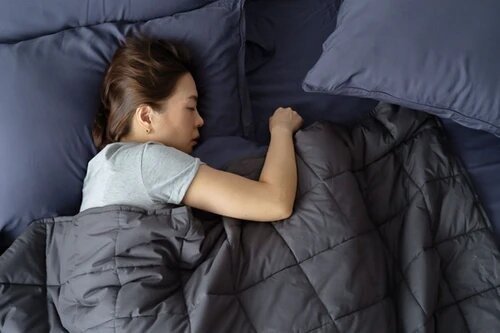
Weighted blankets have gained immense popularity in recent years as an effective tool for improving sleep and reducing stress. Designed with evenly distributed weights, these blankets provide gentle, calming pressure—similar to a soothing hug. But their benefits go far beyond just relaxation. Did you know that weighted blankets may actually support your heart health?
If you’re a wellness enthusiast, struggle with restless nights, or simply seek better overall health, understanding the heart-related benefits of weighted blankets could offer exciting new insights. This blog will explore how weighted blankets can contribute to your heart health, the science behind their use, and practical tips on choosing the right one for your needs.
What Are Weighted Blankets and How Do They Work?
Weighted blankets are exactly what they sound like—blankets filled with materials like glass beads or plastic pellets to add extra weight. The idea stems from a therapeutic technique known as deep pressure stimulation (DPS), which applies gentle, evenly distributed pressure to the body.
This pressure helps to relax the nervous system by triggering a parasympathetic response (the “rest and digest” state), which promotes calmness and helps reduce stress. While widely known for aiding sleep and calming anxiety, there’s growing interest in how they may also impact heart health.
Connecting Weighted Blankets to Heart Health
Heart health and stress are deeply interlinked. Chronic stress not only disrupts your mental well-being but also takes a toll on your cardiovascular system—causing elevated heart rates and increased blood pressure levels over time.
Weighted blankets may help alleviate these issues. By reducing stress and promoting relaxation, they encourage a slower heart rate and lower blood pressure. This allows your heart to work efficiently without undue strain, helping to preserve its long-term health.
What the Science Says About Weighted Blankets and Heart Rate
Scientific research around weighted blankets and heart health is still emerging, but early studies provide promising insights. For instance, a 2020 study published in Journal of Clinical Sleep Medicine revealed that adults suffering from insomnia experienced reduced heart rates and fewer signs of nighttime stress while using weighted blankets.
Furthermore, research conducted by the Swedish Karolinska Institute observed that participants who used weighted blankets showed improved autonomic nervous system activity, translating into greater cardiovascular benefits like reduced heart strain. These studies highlight how tools as simple as weighted blankets may support initiatives for better heart health.
Enhancing Sleep Quality = Boosting Heart Health
The benefits of weighted blankets extend far beyond relaxation—they also greatly improve sleep quality. Many of us underestimate the relationship between a good night’s sleep and cardiovascular well-being. Regular poor sleep can lead to increased blood pressure, risks of heart arrhythmias, and heightened levels of stress hormones.
Weighted blankets help you fall into a deeper, more restorative sleep cycle by reducing nighttime restlessness and curbing the overactivity of the sympathetic nervous system (responsible for “fight or flight” responses). Better sleep quality equals better recovery for your heart, reduced stress levels, and improved overall vitality.
Quick Tips for Choosing the Right Weighted Blanket
If you’re looking to incorporate weighted blankets into your heart-healthy lifestyle, here are a few tips to help you make the right choice:
- Choose the Right Weight
A good rule of thumb is selecting a blanket that’s approximately 10% of your body weight. However, preferences may vary—some prefer lighter pressure while others enjoy a heavier feel.
- Select the Right Material
Consider hypoallergenic materials and soft, breathable fabrics like cotton or bamboo that keep you comfortable throughout the night.
- Look for Even Weight Distribution
Ensure the weight in the blanket is evenly distributed to maximize the calming effects of deep pressure stimulation. Poorly designed blankets can have uneven weights, reducing their effectiveness.
- Think About Size
Choose a blanket that fits your sleeping area or bed without excessive overhang, which could shift the weight unevenly.
- Check for Washing Instructions
Since weighted blankets tend to get regular use, go for one that is machine-washable or has a removable cover for easy cleaning.
Weighted Blankets as Part of a Heart-Healthy Lifestyle
A healthy heart is key to a happy, vibrant life, and tools like weighted blankets can play a small but meaningful role in achieving that goal. While not a replacement for exercise, a balanced diet, or regular health check-ups, they serve as an effective way to reduce stress, promote better sleep, and, in turn, support heart health.
Whether you’re exploring wellness techniques, addressing sleep concerns, or simply seeking simple lifestyle changes, weighted blankets could be the comforting solution you’ve been missing.
Are you ready to prioritize your sleep and heart health? Start incorporating a weighted blanket into your nightly routine and feel the calming difference for yourself.
Conclusion
In conclusion, the integration of weighted blankets into your lifestyle can be a simple yet effective step towards enhancing your overall well-being. By paying attention to details such as material, weight distribution, size, and maintenance, you can select the perfect weighted blanket that suits your individual needs. With consistent use, you may notice improvements in sleep quality, stress levels, and even your general mood, contributing positively to your heart health. As you make mindful choices that prioritize restful sleep, you’ll be investing in a healthier and more balanced life. So, take the first step today and discover the soothing benefits a weighted blanket can offer.
